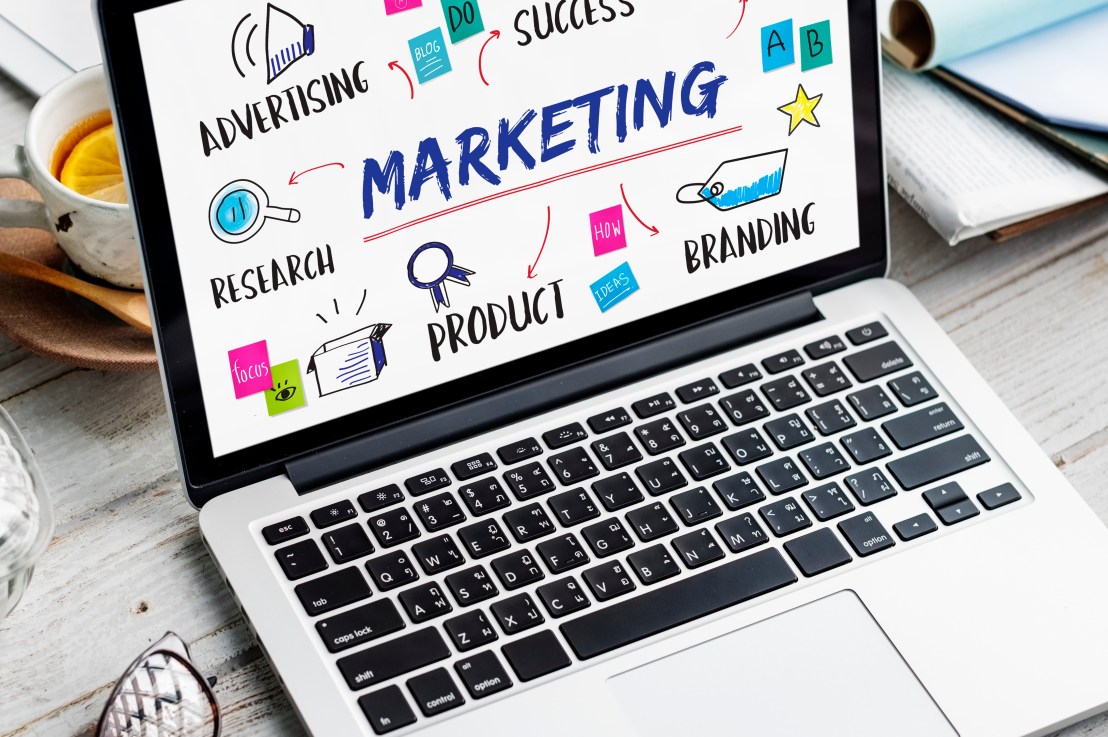
Digital marketing is undergoing a rapid transformation in 2024, driven by advancements in technology, changing consumer behaviors, and evolving industry standards. To remain competitive, businesses must adapt to these new trends and strategies that define the digital landscape. Here’s a comprehensive overview of the key aspects shaping digital marketing this year:
1. Personalization and Customer Experience
Hyper-Personalization: Personalization has moved beyond just using a customer’s name in communications. In 2024, hyper-personalization is taking center stage, utilizing advanced data analytics, AI, and machine learning to deliver highly tailored experiences. This involves leveraging real-time data to craft content, offers, and recommendations that align with an individual’s specific preferences, behaviors, and needs. The goal is to create a unique, seamless journey for every customer.
Omnichannel Experience: Today’s consumers expect a unified experience across all platforms, whether they interact with a brand online or offline. An omnichannel strategy ensures consistency in the customer journey across all touchpoints, from social media and email to in-store interactions. In 2024, businesses are increasingly focusing on integrating these channels to provide a cohesive and engaging experience, no matter where the customer chooses to interact.
2. Artificial Intelligence and Automation
AI-Powered Marketing: AI continues to revolutionize digital marketing agency by enabling more effective and efficient strategies. AI-driven tools are enhancing everything from customer service through chatbots to content creation, allowing businesses to automate repetitive tasks and analyze vast amounts of data for better decision-making. In 2024, AI is also playing a significant role in predictive analytics, helping marketers anticipate customer needs and behaviors to deliver more relevant experiences.
Marketing Automation: Automation tools have become indispensable for managing tasks such as email marketing, social media scheduling, and lead nurturing. In 2024, marketing automation is becoming increasingly sophisticated, allowing for more complex workflows, precise audience segmentation, and comprehensive lead nurturing strategies throughout the customer lifecycle.
3. Content Marketing Evolution
Interactive Content: Static content is losing ground to interactive formats that better engage users. Interactive content such as quizzes, polls, augmented reality (AR) experiences, and interactive videos are gaining popularity in 2024. These formats encourage user participation and provide a more immersive experience, helping brands capture attention and drive deeper engagement.
Short-Form and Snackable Content: As attention spans continue to shorten, the demand for short-form content is growing. Whether it’s 15-second videos on platforms like TikTok and Instagram Reels or concise blog posts, creating impactful content that delivers value quickly is crucial. In 2024, marketers re focusing on crafting content that is easily digestible and can effectively convey a message in a short amount of time.
4. Voice Search and Smart Devices
Voice Search Optimization: The rise of voice-activated assistants like Siri, Alexa, and Google Assistant has led to an increase in voice searches. In 2024, optimizing content for voice search is becoming essential, requiring a focus on conversational language and long-tail keywords. Brands must ensure that their content is easily accessible via voice commands and aligns with the way people speak, not just how they type.
Smart Device Integration: The proliferation of the Internet of Things (IoT) and smart devices is opening up new avenues for marketers. In 2024, brands are exploring ways to connect with users through smart home devices, wearables, and other connected appliances. Understanding how these devices fit into consumers’ daily lives is key to creating relevant and timely marketing messages.
5. Sustainability and Ethical Marketing
Sustainable Practices: Consumers are increasingly prioritizing sustainability, and brands are responding by adopting eco-friendly practices. In 2024, digital marketing strategies like seo, ppc and social media are emphasizing sustainability, transparency, and ethical business practices. Brands that demonstrate a commitment to these values are more likely to earn trust and loyalty from their audiences.
Ethical Data Usage: With heightened awareness of data privacy, ethical data usage is becoming a critical concern for both consumers and brands. In 2024, companies are prioritizing transparency in how they collect, store, and use consumer data. Ethical data practices are not only a legal requirement but also a key factor in building consumer trust.
6. Influencer Marketing and Social Commerce
Micro and Nano Influencers: While large influencers still have their place, micro and nano influencers—those with smaller but highly engaged audiences—are becoming more valuable. These influencers often have more authentic relationships with their followers, making their endorsements more trusted and effective. In 2024, brands are increasingly collaborating with these smaller influencers to reach niche audiences in a more personal way.
Social Commerce: Social media platforms are rapidly evolving into e-commerce hubs, with features like Instagram Shopping and Facebook Marketplace enabling direct purchases. In 2024, integrating social commerce into marketing strategies is crucial, as more consumers are making purchases directly through social media channels.
7. Augmented Reality (AR) and Virtual Reality (VR)
AR and VR Experiences: Augmented reality and virtual reality are no longer niche technologies. In 2024, they are being used to create immersive marketing experiences that go beyond traditional content. AR allows consumers to visualize products in their own space before purchasing, while VR can offer virtual tours, product demonstrations, or even entirely new digital environments for exploration.
Metaverse Marketing: The concept of the metaverse—a collective virtual space where people interact through avatars—is gaining momentum. Brands are starting to explore how they can create virtual experiences, spaces, and products within the metaverse, offering new ways to engage with consumers in a rapidly growing digital frontier.
Conclusion
The Red-giraffe digital marketing landscape in 2024 is characterized by a shift towards more personalized, ethical, and immersive experiences. As technology advances and consumer expectations evolve, businesses must stay agile and innovative to succeed. By embracing AI, automation, voice search, AR, and sustainability, marketers can craft strategies that not only meet the demands of the digital age but also foster meaningful connections with their audiences. The key to success lies in being customer-focused and adaptable in an increasingly competitive environment.
 Search Engine Optimisation